Your cart is currently empty!
Oxford Category: Oxford Type 5—Technology-based Removals
-
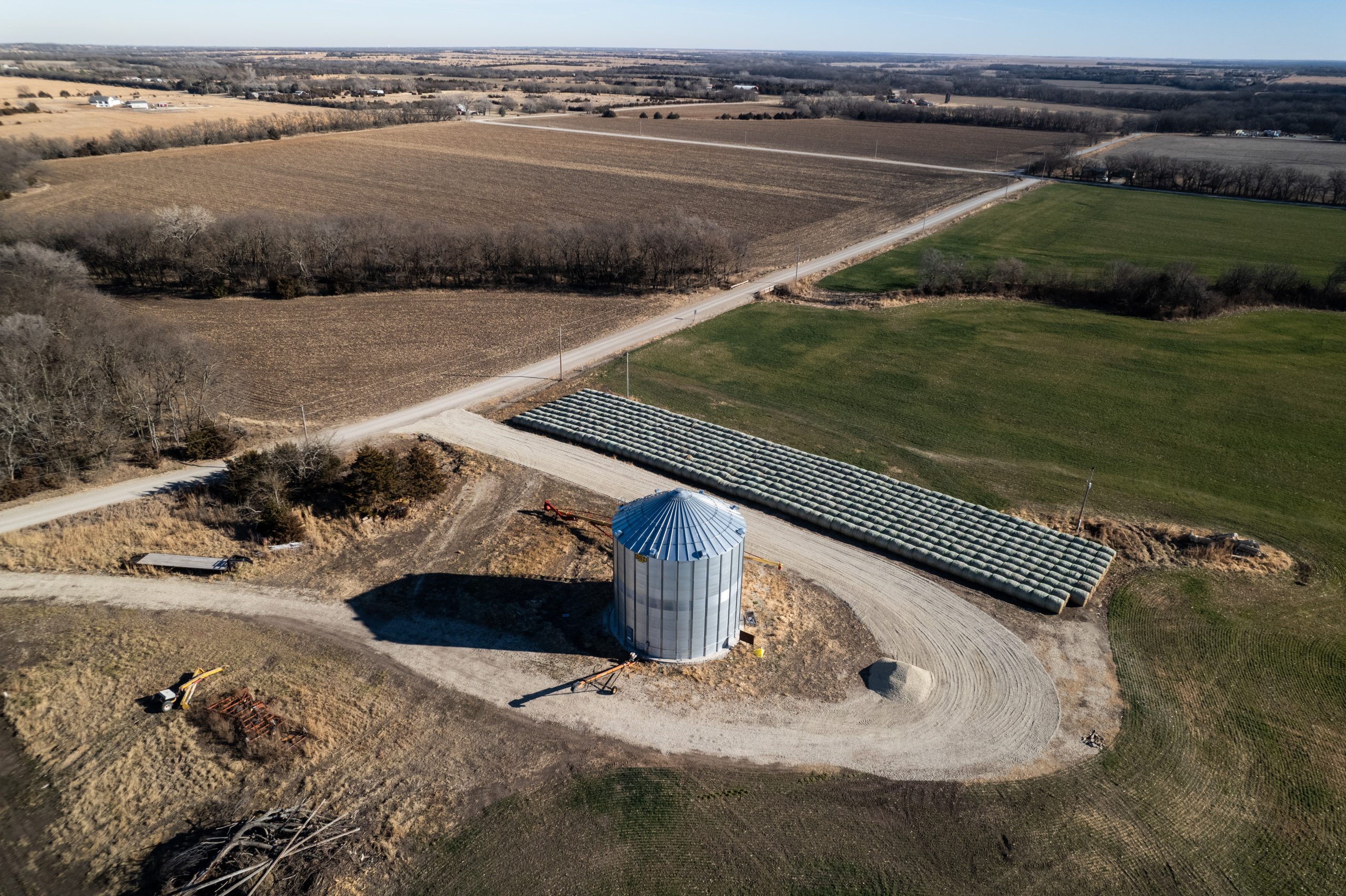
Charm Industrial Bio Oil
Living plants, whether trees or agricultural crops, capture carbon dioxide from the atmosphere. However, after the plants die or the crops are harvested, the plants decompose and re-release that carbon. Charm collects plant waste, applies a heating process called pyrolysis that converts the plant waste into bio-oil, and injects that bio oil into deep wells or caverns where it hardens and will be stored permanently. Charm thereby makes the plants’ temporary removal of carbon dioxide permanent. While its technology is promising, Charm currently charges $600 per metric tonne of CO2e sequestered and is delivering only a small amount of carbon removal per year. CNaught supports companies like Charm to help send a market signal that will help innovative technologies like that developed by Charm can reach scale.
-
Frontier Carbon Removal Portfolio
The Frontier offtake portfolio focuses exclusively on the most innovative permanent carbon removal technologies ready to rapidly scale. Frontier technologies are highly vetted against target criteria, including the ability to store removed carbon for more than a thousand years and the potential to be low-cost and high-volume in the future, in line with 2050 climate goals. Offtake carbon removal units come from a diverse and globally distributed portfolio of the most promising carbon removal technologies, vetted by industry experts and Frontier’s team of scientists. The portfolio approach is intended to accelerate the broader carbon removal ecosystem and mitigate delivery risk. The portfolio includes a combination of: direct air capture, biomass carbon removal and storage, and other pathways as they become offtake ready.
-
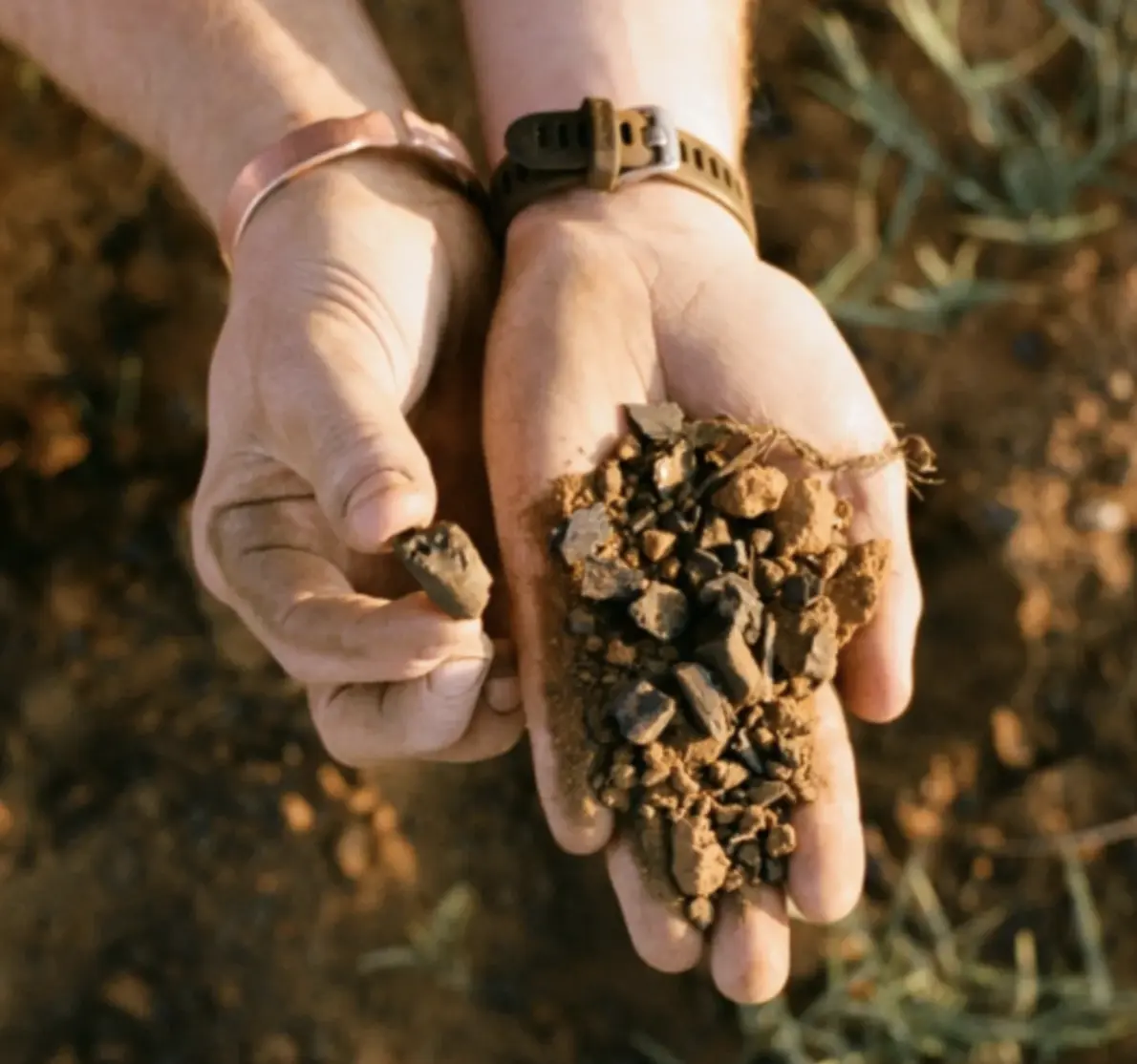
Farm Gai Kaisa
This project converts invasive bush into biochar, delivering permanent carbon removal while restoring the local savannah ecosystem. The project has already removed nearly 15,000 tonnes of CO₂ and aims to remove 329,000 tonnes by 2030. The project’s biochar is given to local farmers to enhance their soil’s health and boosts crop yields.