Your cart is currently empty!
Impact Type: Removal
-
Delta Blue Carbon
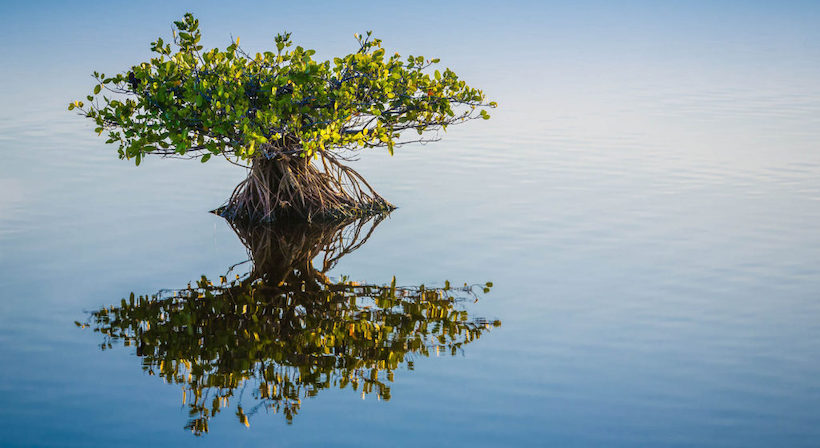
The Delta Blue Carbon project seeks to to restore degraded lands through large-scale mangrove reforestation on the Indus Delta in Pakistan. While the area was previously covered in mangroves, which sequester 3-5 times more CO2 per hectare than upland tropical forests, they largely disappeared by the 1980s. The project will ultimately plant mangroves on nearly 225,000 hectares of land and estimates that it will remove over 2.4 million tonnes of CO2e per year. This makes it the largest restoration program in the world. Despite inherent challenges involved in mangrove restoration projects, Delta Blue is also highly regarded, with Renoster stating that its “governance, design, and execution is well orchestrated and scientifically rigorous.”
-
Predio Las Piedras
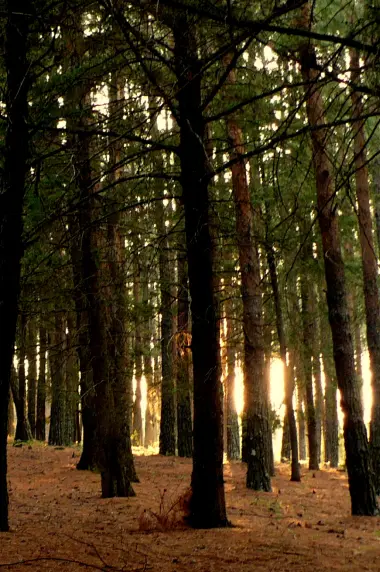
Predio Las Piedras is a Restoration project in Acajete, Veracruz, Mexico that is run by a local community working to restore 34.52 hectares of degraded native pine-oak forest. The project, which began in May 2019 and has committed to a 100-year crediting period, aims to enhance forest carbon stocks by planting native pine species and implementing protective measures to enhance natural regeneration. These protective measures include training community members and building infrastructure to prevent forest fires and guard against illegal logging.
-

X-Hazil
This project focuses on Improved Forest Management through strategic interventions in forest ecosystems. It aims to enhance sustainability by implementing regeneration practices that improve tree mass structure and maintain forest coverage. The project emphasizes maintaining the functional integrity of ecosystems while implementing silvicultural treatments and Forest Stewardship Council (FSC) monitoring protocols to ensure proper forest management.
-
Sierra de Agua
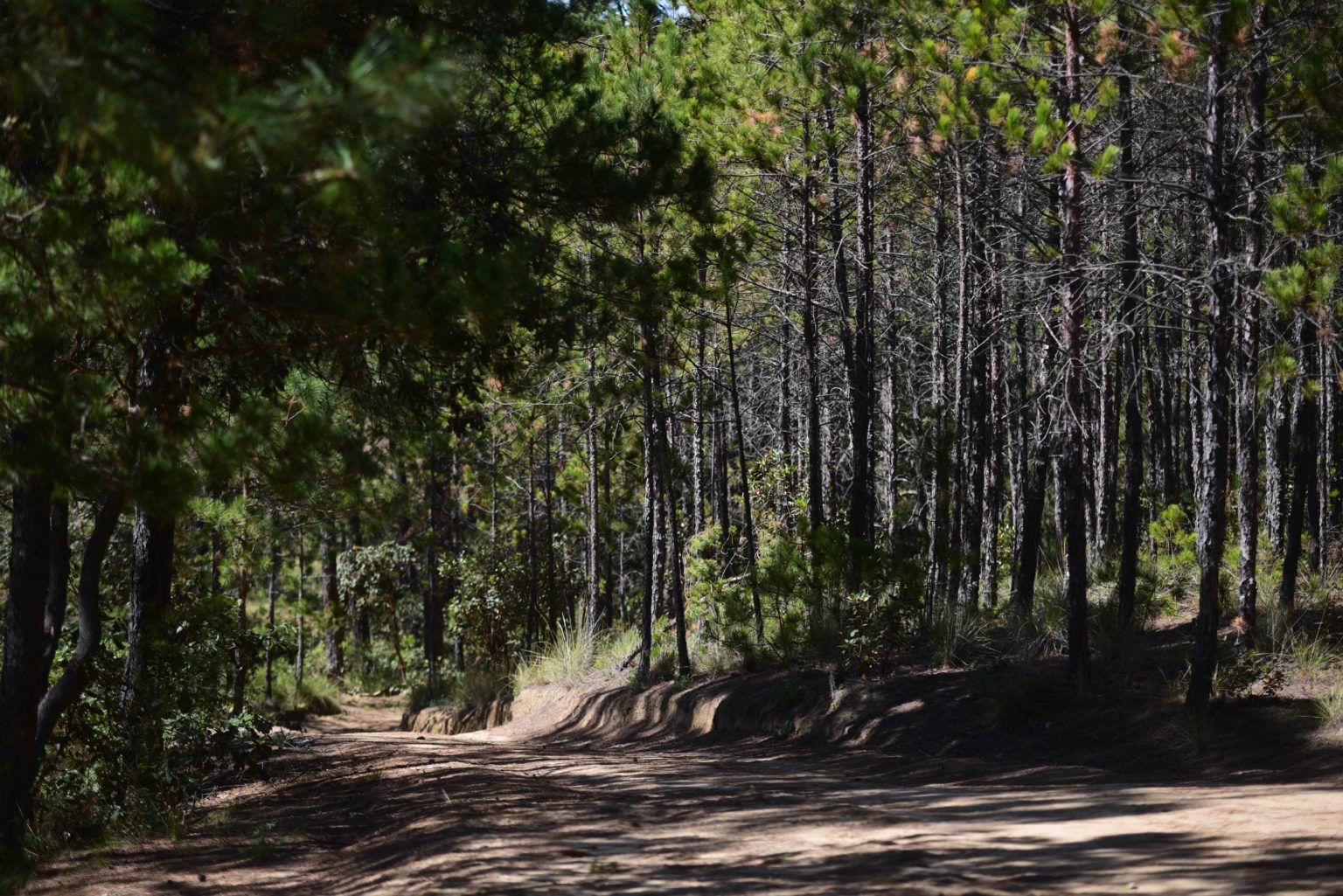
Located on native land called an Ejido in Veracruz Mexico, this is improved forest management (IFM) project, enables an indigenous community to manage their forests more sustainably while earning income. The key activities include reducing the rate of timber harvesting and encouraging the growth of native forests. By harvesting less, the community allows the forest to sequester more carbon, which directly combats climate change by capturing and storing atmospheric CO2. Additionally, promoting native forest growth enhances biodiversity, improves soil quality, and strengthens ecosystems, which can provide long-term resilience to climate impacts. The project also offers a host of beyond carbon benefits, including supporting the livelihoods of native communities
-

La Libertad
La Libertad is a community-run Improved Forest Management project in Perote, Veracruz, Mexico that enhances carbon sequestration of 343.59 hectares of native pine forest through sustainable forest management practices. Launched in May 2019 with a 30-year commitment, this project combines sustainable timber harvesting with robust forest protection measures. The project trains local community members and creates infrastructure to combat forest fires and prevent illegal logging. This balanced approach provides the local community with income from responsibly harvested wood products while supporting native biodiversity and maximizing the forest’s carbon storage capacity.
-

TIST Program in Uganda
TIST, which is a flagship program of Clean Air Action, partners with subsistence farmers across Africa and India to plant trees in areas that have been deforested. It is one of the oldest and most successful reforestation projects ever undertaken. The program in Uganda brings together thousands of small landowners in Uganda to plant a mixture of native trees, food bearing trees, and commercial trees. As Renoster puts it, “The nation of Uganda is nearly completely denuded of trees, and many times the trees of this project are the only ones visible in large portions of the country. The success in terms of carbon, biodiversity, and cobenefits cannot be overstated.”
-
Charm Industrial Bio Oil
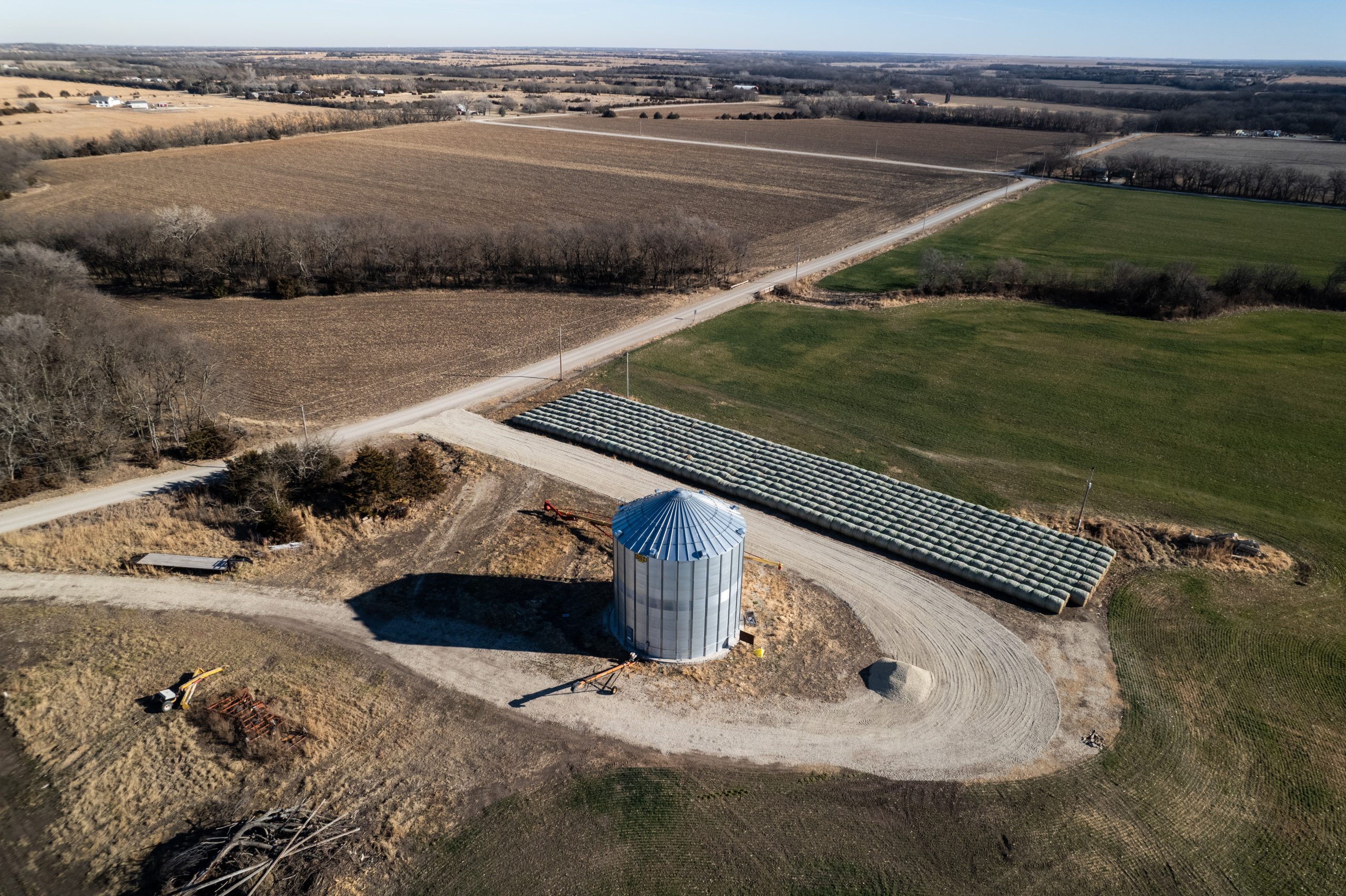
Living plants, whether trees or agricultural crops, capture carbon dioxide from the atmosphere. However, after the plants die or the crops are harvested, the plants decompose and re-release that carbon. Charm collects plant waste, applies a heating process called pyrolysis that converts the plant waste into bio-oil, and injects that bio oil into deep wells or caverns where it hardens and will be stored permanently. Charm thereby makes the plants’ temporary removal of carbon dioxide permanent. While its technology is promising, Charm currently charges $600 per metric tonne of CO2e sequestered and is delivering only a small amount of carbon removal per year. CNaught supports companies like Charm to help send a market signal that will help innovative technologies like that developed by Charm can reach scale.
-
Frontier Carbon Removal Portfolio
The Frontier offtake portfolio focuses exclusively on the most innovative permanent carbon removal technologies ready to rapidly scale. Frontier technologies are highly vetted against target criteria, including the ability to store removed carbon for more than a thousand years and the potential to be low-cost and high-volume in the future, in line with 2050 climate goals. Offtake carbon removal units come from a diverse and globally distributed portfolio of the most promising carbon removal technologies, vetted by industry experts and Frontier’s team of scientists. The portfolio approach is intended to accelerate the broader carbon removal ecosystem and mitigate delivery risk. The portfolio includes a combination of: direct air capture, biomass carbon removal and storage, and other pathways as they become offtake ready.
-
Farm Gai Kaisa
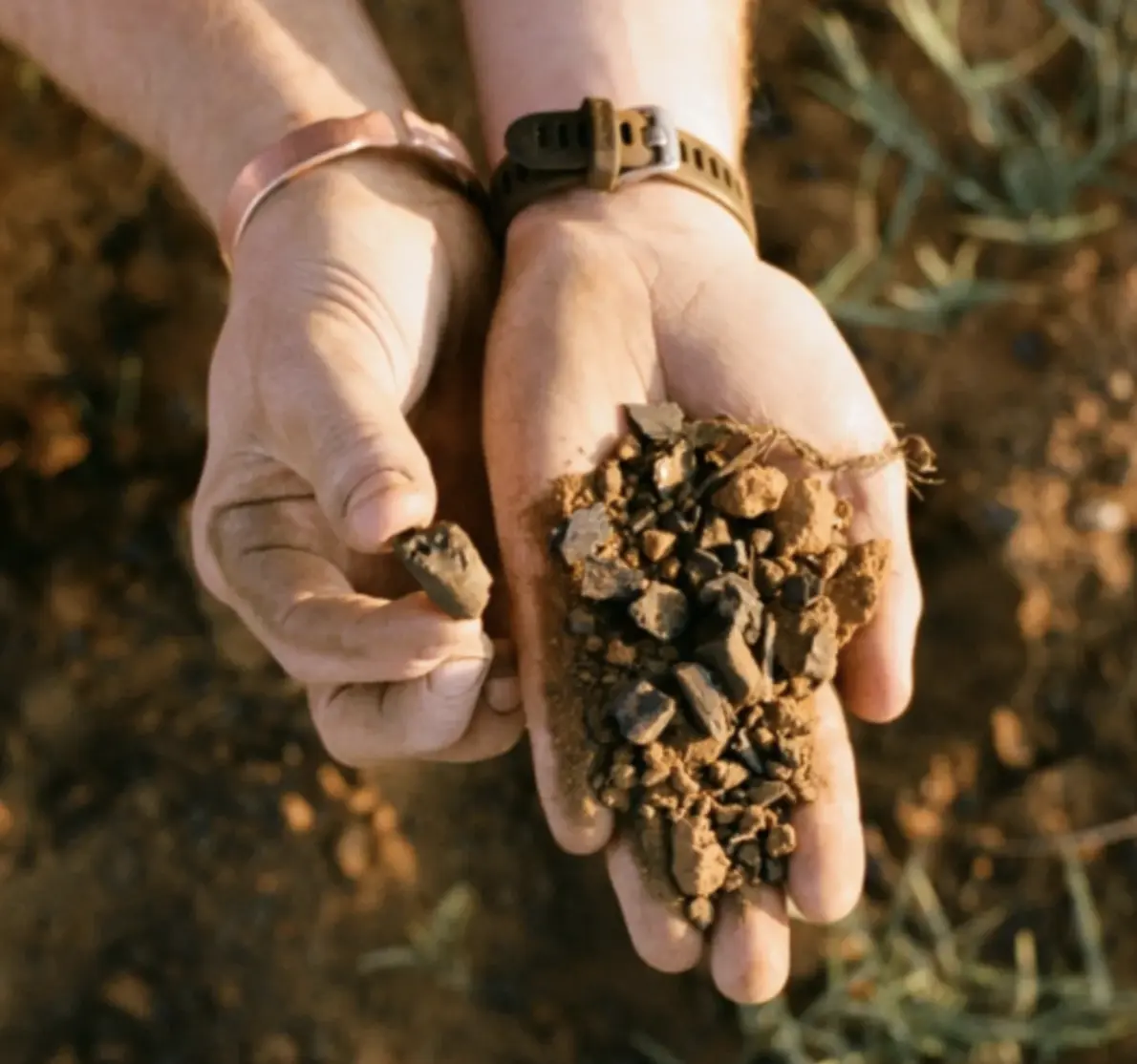
This project converts invasive bush into biochar, delivering permanent carbon removal while restoring the local savannah ecosystem. The project has already removed nearly 15,000 tonnes of CO₂ and aims to remove 329,000 tonnes by 2030. The project’s biochar is given to local farmers to enhance their soil’s health and boosts crop yields.