Your cart is currently empty!
Titas Gas Leak Repair
Project Description
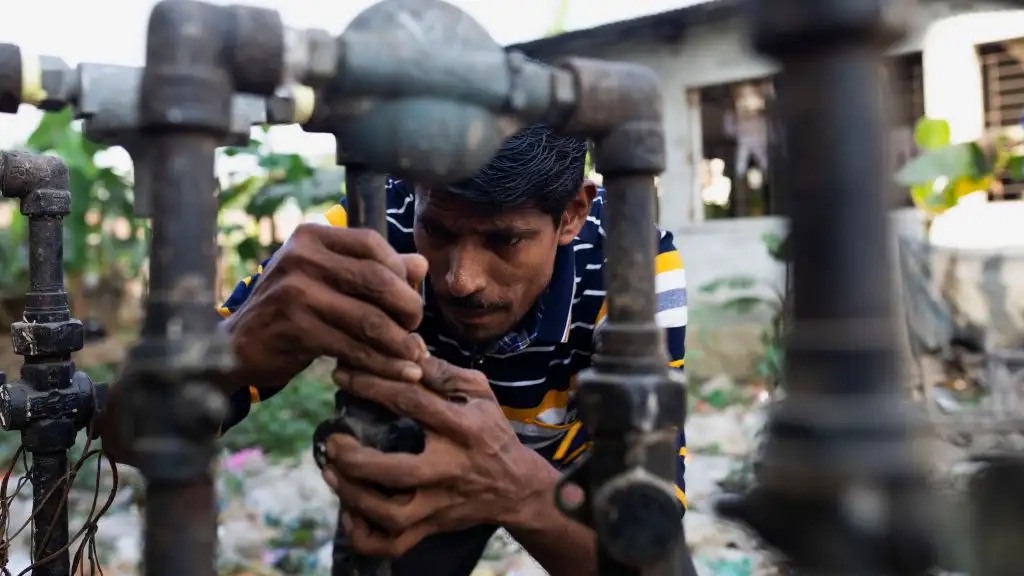
Located in Greater Dhaka, Bangladesh, this project reduces natural gas leaks from a gas distribution network in Bangladesh through the use of an advanced leak detection and repair program. Natural gas is a potent greenhouse gas and the technology is available to detect and repair pipeline leakage. But, without carbon credit revenue, deploying that technology would not be economical (or otherwise required) in Bangladesh. Beyond being highly additional and conservative with its emission reduction calculations, this project also supports the safety and well-being of local communities by improving their access to a cleaner source of energy.
Key Information
Developer
Titas Gas Transmission & Distribution Co.
Project Type
Fugitive Emissions Reduction
Impact Type
Avoided Emissions
Methodology
AM0023
Verifier
TUV SUD
Project Lifetime
2017 – 2027
Oxford Category
Oxford Type 1—Technology-based Reductions
Due Diligence
CNaught maintains a very high quality standard for all projects in the portfolios we manage. To ensure that a project meets this standard, we perform due diligence that’s backed up by third-party ratings agencies’ own due diligence.
Additionality:
This project has very high additionality, meaning that this project activity is very unlikely to have occurred in the absence of carbon funding. The Titas Gas Pipeline is over 12,000 km long and has been severely under-resourced since it was built in the 1960s. This has led to serious leakage issues resulting in explosions and fatalities. Carbon funding is providing the project with the resources needed to improve management of this pipeline. BeZero cited this project as highly additional and lauded its thorough financial accounting documentation, demonstrating that the company did not have the resources to improve their pipeline management without carbon funding. We also found that this project conservatively excludes activities required for local regulatory compliance from their carbon accounting, ensuring that only truly additional emissions reductions are credited.
Over-Crediting:
This project has a very low risk of over-crediting as it employs a rigorous and conservative approach to emissions accounting. The project measures emissions from leaks both before and after repairs with a Hi Flow Sampler, a highly accurate measurement tool, rather than relying on estimates. This measurement-based methodology ensures credible quantification of emission reductions, while likely understating the project’s climate impact rather than overstating.
Durability:
This project activity is highly durable as it has substantially enhanced the quality of equipment repair and maintenance, demonstrating strong potential for lasting emission reductions. BeZero rates this project highly, in part because these emissions reductions cannot be reversed. While we agree with this, we also note that many components of the pipeline need complete replacement, rather than repair, and that to fully ensure permanence of the project activity, the project developer needs to acquire additional funding. The developer has been proactively applying for grants and loans to fund these necessary infrastructure improvements, which we believe will help support the long term durability of the project’s climate benefits.
Double-Counting:
The project credits have a very low risk of being double counted. This project was initially registered and implemented under the Clean Development Mechanism (CDM) before being transferred to Verra. We have carefully reviewed all of the credit issuances under both CDM and Verra to ensure that previously issued credits are not being counted under both mechanisms. We confirmed that the project was very diligent in reporting all credit issuances and that there is no risk of double-counting.
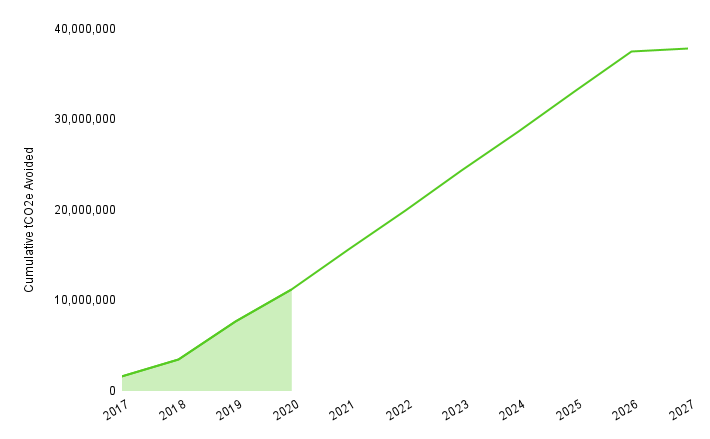
Figure shows the cumulative carbon dioxide emissions that this project is avoiding during its crediting period. To date, the project has verified that they have avoided over 11 million tons of CO2 emissions (shaded in green) and they are just getting started! The project has several more years left in its crediting period. Note: Unshaded area represents the emissions reductions the project estimates it will avoid. Projects don’t issue credits based on these estimates, credits are issued once they receive verification for the avoided emissions. Verification can take a long time so there is often a lag between the current year and the most recent year they’ve issued credits. This is why the verified emissions only extend to 2020 in this graph.
Beyond Carbon
Community and biodiversity co-benefits
The Titas Gas Leak Repair project supports infrastructure and safety improvements while also providing substantial socioeconomic impacts.
Infrastructure and Safety Improvements: This large-scale project strengthens critical infrastructure by conducting systematic inspections and performing leakage repairs. These improvements enhance the overall safety of the gas distribution system, optimize gas pressure for more reliable service delivery, and ensure more consistent access to clean energy. However, the pipeline is at risk for significant safety issues resulting from leakage that we continue to carefully monitor, but we believe that as the project continues to operate and the developer secures additional funds to expand their pipeline improvements, accidents will not occur.
Social and Economic Impact: The project has particularly significant implications for gender equality by reducing the amount of unpaid domestic work for women. In areas where gas access was previously limited, women often spent considerable time collecting firewood. The enhanced gas pressure and reliable delivery system have also streamlined cooking activities, freeing up more time for community members, especially women.
Risk of Reversal
This project has little to no risk of reversal because its avoided emissions are not subject to being undone.
Registry & Verification
Third Party Labels
Project Location
Project data sourced from CNaught carbon marketplace. Information may be updated periodically.