Your cart is currently empty!
Farm Gai Kaisa
Project Description
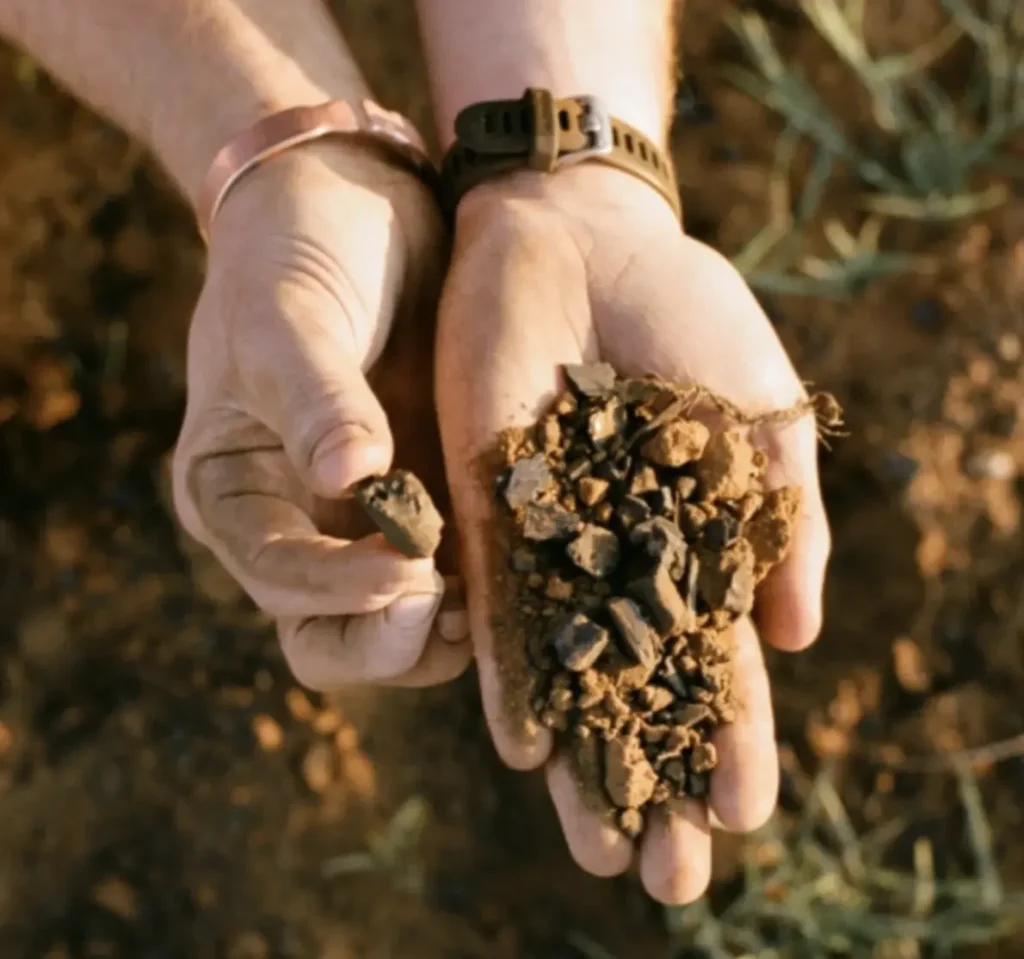
This project converts invasive bush into biochar, delivering permanent carbon removal while restoring the local savannah ecosystem. The project has already removed nearly 15,000 tonnes of CO₂ and aims to remove 329,000 tonnes by 2030. The project’s biochar is given to local farmers to enhance their soil’s health and boosts crop yields.
Key Information
Developer
Planboo
Project Type
Biochar
Impact Type
Removal
Methodology
Puro.earth Biochar
Verifier
Earth Services Limited
Project Lifetime
2024 – 2029
Oxford Category
Oxford Type 5—Technology-based Removals
Due Diligence
CNaught maintains a very high quality standard for all projects in the portfolios we manage. To ensure that a project meets this standard, we perform due diligence that’s backed up by third-party ratings agencies’ independent due diligence.
Additionality:
This project has high additionality, meaning it is very unlikely that this project activity could have occurred in the absence of carbon funding. Without carbon finance, the facility would have continued its existing charcoal briquette production for European export markets rather than transitioning to biochar production. Biochar doesn’t generate direct revenue and is distributed freely to farmers, making the project dependent on carbon revenue to replace its original income stream from charcoal sales. Furthermore, the project activity is not required or encouraged by any local regulations and is not common practice in Namibia.
Over-Crediting:
This project has low risk of over-crediting, meaning it is likely to have accurately accounted for the amount of carbon being sequestered. The project uses sound methodological approaches for measuring biochar carbon content and permanence, which Calyx Global also highlighted in their review. The project also uses robust accounting approaches to measure both embodied emissions from feedstock production and process emissions from the biochar manufacturing facility. Like most biochar projects, this project only claims carbon removals for the portion that is sequestered in soil for centuries. The project does not account for market leakage effects that could occur from increased charcoal briquette production elsewhere, to meet displaced demand. However, we believe the potential leakage is unlikely to place this project at significant risk of over-crediting as the project was exporting briquettes to Germany where only sustainably sourced charcoal may be used.
Durability:
This project activity is highly durable as we are confident in its ability to provide permanent emissions removals. The project has implemented a comprehensive tracking system with geo-tagged and time-stamped photos and videos documenting farmers’ biochar application to soil. This robust verification system provides high confidence that the biochar has been correctly incorporated into agricultural soils where it will remain sequestered long-term. While fire presents some reversal risk, we find this risk to be low for the project area.
Double-Counting:
The project credits have a very low risk of being double counted. There are no regulatory obligations being met by the project activity and the project’s registry, Puro.earth, has mechanisms in place to ensure that the project is not registered in any other programs. The biochar distribution areas are not co-located with any agricultural carbon projects that could claim enhanced soil organic carbon benefits, eliminating the risk of overlapping claims for the same carbon sequestration.
Beyond Carbon
Community and biodiversity co-benefits
This project delivers substantial community and environmental benefits.
Community: The project creates local employment opportunities in biochar production and is potentially fostering a local biochar market. Additionally, the project provides educational benefits through sustainable practice trainings for local communities.
Environment: The project harvests invasive encroacher bush for biochar production, helping to restore native savannah vegetation and enhance biodiversity in one of the world’s richest wildlife ecosystems. The biochar application also improves soil health, increases agricultural productivity, and enhances drought resilience by improving water retention – particularly valuable in a region facing desertification. Furthermore, the biochar application also improves soil structure and microbial activity, reducing the need for chemical fertilizers while controlling erosion and preventing land degradation.
Risk of Reversal
Biochar faces low risk of reversal when applied in soil due to fire, flooding, or extreme drought. However, due to its highly stable carbon structure, high-quality biochar is considered to have a very low risk of reversal when used for carbon sequestration, with the potential to store carbon for centuries.
Registry & Verification
Project Location
Project data sourced from CNaught carbon marketplace. Information may be updated periodically.